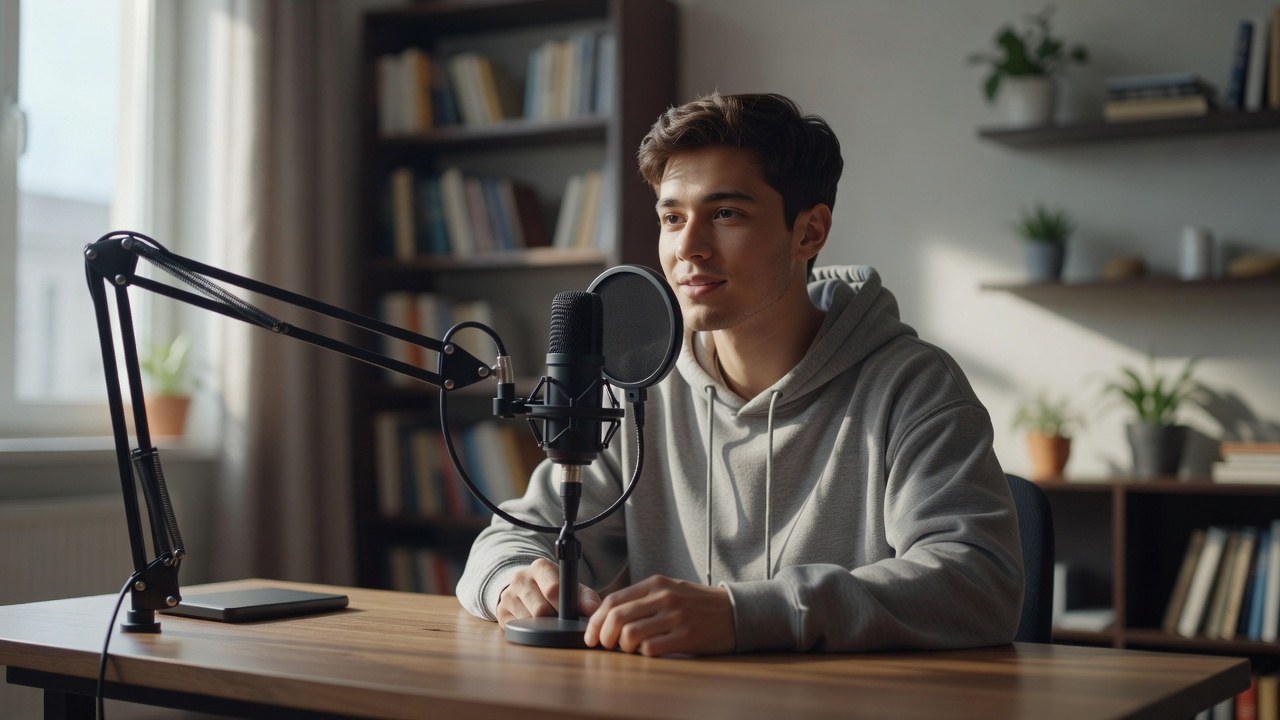
Why voice gets a room of its own
Fans meet you in many places outside the server: a post on X after a loss, a TikTok clip from bootcamp, a pre-match interview with a broadcast host, a Discord announcement. If each sounds like a different person, people stop recognising you. A voice guide keeps those touchpoints consistent, especially once a manager, editor or org social team starts posting for you.
Voice is not a persona you invent. The audit already told you how people describe you. The voice room turns that into rules a stranger could follow.
What a studio writes down
Three to five tone words, with limits. "Dry, competitive, generous" is useful only when the guide says what each means in practice: dry means jokes without emojis, competitive means you name opponents respectfully, generous means you credit teammates first after wins.
Sample posts. Good guides include real examples for a win, a loss, a roster change, a sponsor announcement and an apology. Seeing ten examples beats reading ten adjectives.
Things you do not say. Topics to avoid, words that trigger platform moderation, how you handle betting or gambling questions, and how you respond to harassment. Players in leagues with integrity rules, such as those supported by ESIC, should make sure nothing in their content hints at match outcomes.
Interview preparation. Short, repeatable answers about your role, goals and story, so a nervous moment on a desk at a LAN does not become the clip people remember.

Sponsor content is still your voice
Paid posts must be clearly labelled. In France the ARPP guidelines and consumer law require clear disclosure of commercial content; elsewhere in the EU and on each platform similar rules apply. A studio should write sponsor templates that disclose properly and still sound like you. Fans forgive an ad. They do not forgive one that pretends not to be.
Formats by platform
Each platform rewards a different rhythm. Short vertical clips on TikTok and YouTube Shorts need a hook in the first two seconds. X rewards fast reactions during events. Long YouTube videos reward structure and honesty about your thinking. A studio should map which formats fit your personality: some players are excellent on camera and stiff in text, others the reverse. Do more of what you are good at rather than forcing every format.
Doing it yourself
Collect twenty of your own posts that felt right and twenty that felt off. Look at what the good ones share: length, humour, punctuation, how you refer to the team. Write those patterns in a single document, add a short list of no-go topics, and give it to anyone who posts for you. Review it every season, because voices mature, especially for younger players.
Insider note: If a studio proposes a voice that makes you uncomfortable reading it aloud, reject it. You will be the one defending it in interviews.
Once you know what you look and sound like, it is time to make sure the paperwork protects it. That is the contract room.